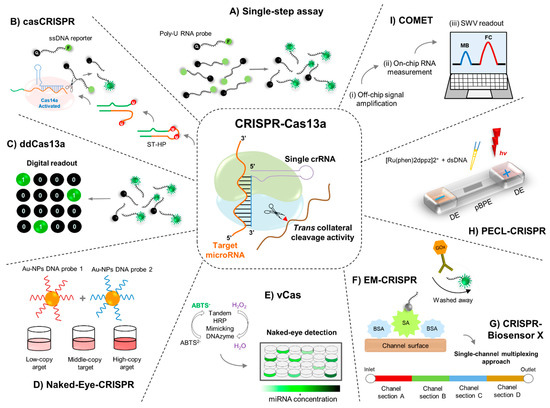
Lbu Cas13 (Leptotrichia buccalis Cas13a) is an RNA-guided RNase from the CRISPR-Cas Type VI system, ideal for RNA targeting, detection, and knockdown applications.
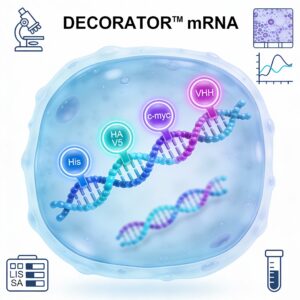
DECORATOR™ mRNA: Commonly used mRNA tags depend on fluorescence or luminescence. These could have longer processing time and could photobleaching due to long processes. Also, typically one mRNA has one type of tag! But, your research should not be limited by screening methods!
Our proprietary DECORATOR™ mRNA expressing cells and tissues can be targeted by 5 tags!
Choose and detect your mRNA expression using any of the anti- His, HA, V5, c–myc and VHH antibodies.
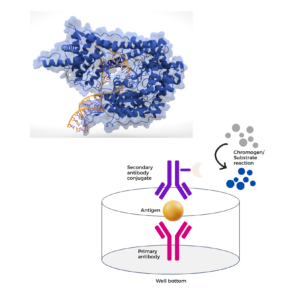
Detect DECORATOR™ using: Immunofluorescence microscopy; Histology staining; Flow cytometry; ELISA; Western blot and/or Tag purification.
DECORATOR mRNA can be ordered with unmodified or modified bases. Bulk orders available!
$500.00–$12,000.00Price range: $500.00 through $12,000.00
Select options
This product has multiple variants. The options may be chosen on the product page
Cre mRNA: Cre recombinase is widely used for DNA fragment inversion, deletion and translocation by recognizing the loxP sites. Our Cre mRNA with nuclear localization sequence improves the recombination events and can be effectively used for Cre-dependent gene expression, gene knockout, selection marker removal or as a reporter for in vitro or in vivo functional screens.
$300.00–$5,250.00Price range: $300.00 through $5,250.00
Select options
This product has multiple variants. The options may be chosen on the product page
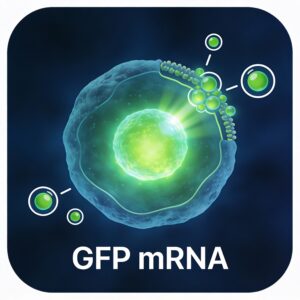
GFP: Green fluorescent protein is the most commonly used fluorescent protein reporter. Evaluate your transfection in as little as 2 hours in cell culture or screen delivery nanoparticles like lipid nanoparticle (LNP) using our optimized GFP mRNA.
$290.00–$5,050.00Price range: $290.00 through $5,050.00
Select options
This product has multiple variants. The options may be chosen on the product page
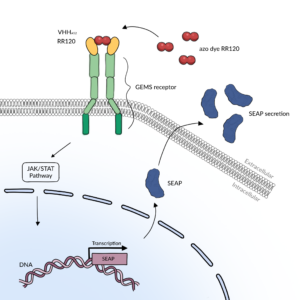
SEAP (Secreted Alkaline Phosphatase) is a widely used reporter gene in molecular biology for non-invasive monitoring of gene expression, promoter activity, and signaling pathways.
$290.00
Select options
This product has multiple variants. The options may be chosen on the product page
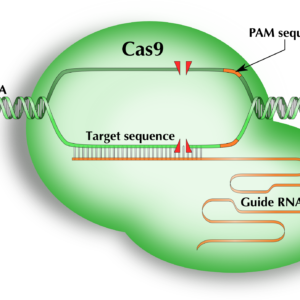
Cas9 mRNA encodes the Streptococcus pyogenes CRISPR-associated protein 9 (SpCas9), a programmable endonuclease essential for precise genome editing via the CRISPR/Cas9 system.
$300.00
Select options
This product has multiple variants. The options may be chosen on the product page