Beta-galactosidase mRNA: The enzyme beta-galactosidase (E.coli lacZ gene) typically converts lactose substrate into glucose and galactose. However, derivatives of lactose like X-gal, o-nitrophenyl b-D-galactopyranoside, Galacto-Light Plus™ and others lead to colorimetric or chemiluminescence products, which have numerous applications in cancer, biodistribution and imaging studies.
$300.00–$5,250.00Price range: $300.00 through $5,250.00
Select options
This product has multiple variants. The options may be chosen on the product page
RNAStore-X™ Solution is a purpose-designed aqueous formulation developed to maintain the structural integrity of purified RNA during short- and long-term storage. Unlike conventional nucleic acid buffers that are optimized for DNA, RNAStore-X™ Solution provides a chemically controlled environment that reduces spontaneous hydrolysis and metal-mediated degradation, helping preserve RNA quality over time. This solution is intended for resuspension and storage of isolated RNA after purification and before downstream molecular applications.
$40.00
Select options
This product has multiple variants. The options may be chosen on the product page
Lbu Cas13 (Leptotrichia buccalis Cas13a) is an RNA-guided RNase from the CRISPR-Cas Type VI system, ideal for RNA targeting, detection, and knockdown applications.
$300.00
Select options
This product has multiple variants. The options may be chosen on the product page
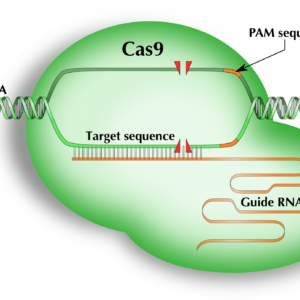
Cas9 mRNA encodes the Streptococcus pyogenes CRISPR-associated protein 9 (SpCas9), a programmable endonuclease essential for precise genome editing via the CRISPR/Cas9 system.
$300.00
Select options
This product has multiple variants. The options may be chosen on the product page
Fluc: Firefly luciferase is extensively used as a luminescence reporter system for transfection efficiency studies, non-invasive whole body imaging and biodistribution applications. Our Fluc mRNA is optimized for fast and efficient expression of luciferase in as little 2 hours after transfection and administration.
$290.00–$5,050.00Price range: $290.00 through $5,050.00
Select options
This product has multiple variants. The options may be chosen on the product page
Cre mRNA: Cre recombinase is widely used for DNA fragment inversion, deletion and translocation by recognizing the loxP sites. Our Cre mRNA with nuclear localization sequence improves the recombination events and can be effectively used for Cre-dependent gene expression, gene knockout, selection marker removal or as a reporter for in vitro or in vivo functional screens.
$300.00–$5,250.00Price range: $300.00 through $5,250.00
Select options
This product has multiple variants. The options may be chosen on the product page